

The blades clattered off the slipway and the boat lurched. The usual faff of footplates, tightening toe straps, “Is there any polish?” All of us settling in…
For the first few strokes there was nothing but the familiarity and the work of it. The catch, the pull, the run of the boat and the thuds and squeaks of the oars that would follow us all season. Off Ballygally the water was the colour of pewter and it was calm enough that you could hear every drip coming off the blades. Then, halfway through the session, the cloud broke. The sun came through low over the mountains behind the village and laid a line of light straight down the bay, and someone let out a breath and said what everyone was thinking: “About bloody time!”
It was the end of April 2025. The first real weeks of on-the-water training for Castle Rowing Club, after a winter spent in the gym and on the ergs while the bay sat empty, cold and dark as the Glens always are. Turnout was about normal. These were friends who had all but parted ways at the abrupt end of last year’s regatta season, back on the water together now, soft-handed and short of fitness, pulling to get race-fit for another year on the Antrim coast. One eye was already on the All-Ireland Championships in Glenarm in August.
Background
To understand how Castle fits into this island-wide circuit, you have to go back to a time when the club did not even have a boat. Ten years ago, Castle Rowing Club did not exist. It was formed in 2016 by a handful of people with next to no coastal rowing experience between them. Within a few seasons it was sending dozens of crews to the All- Ireland Championships every August and bringing titles back to the Glens.
This year the event lands on their own doorstep. The All-Irelands are coming to Glenarm, and Castle, now the biggest club in the Glens, are not just racing in them, they are running them.

Ballygally
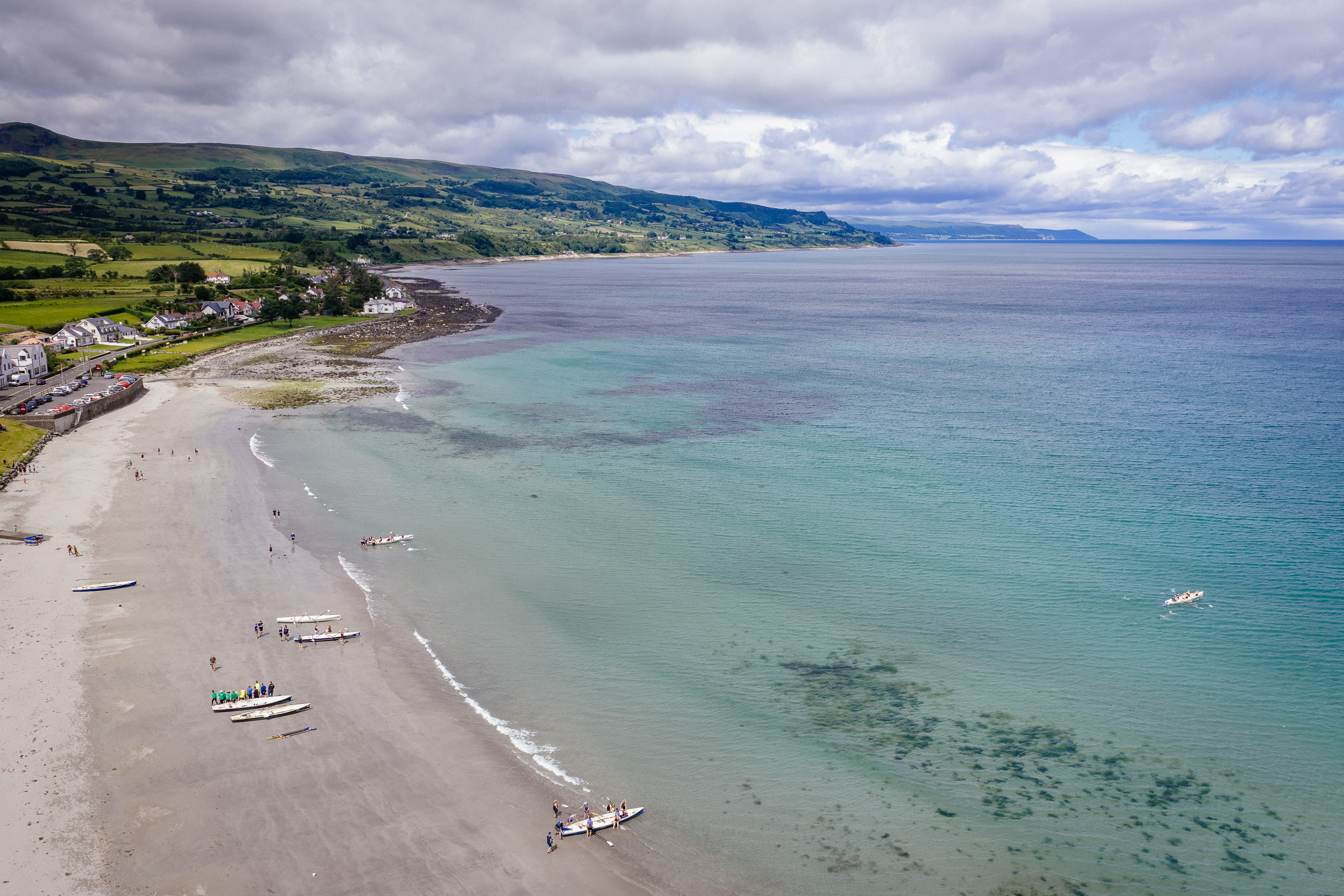
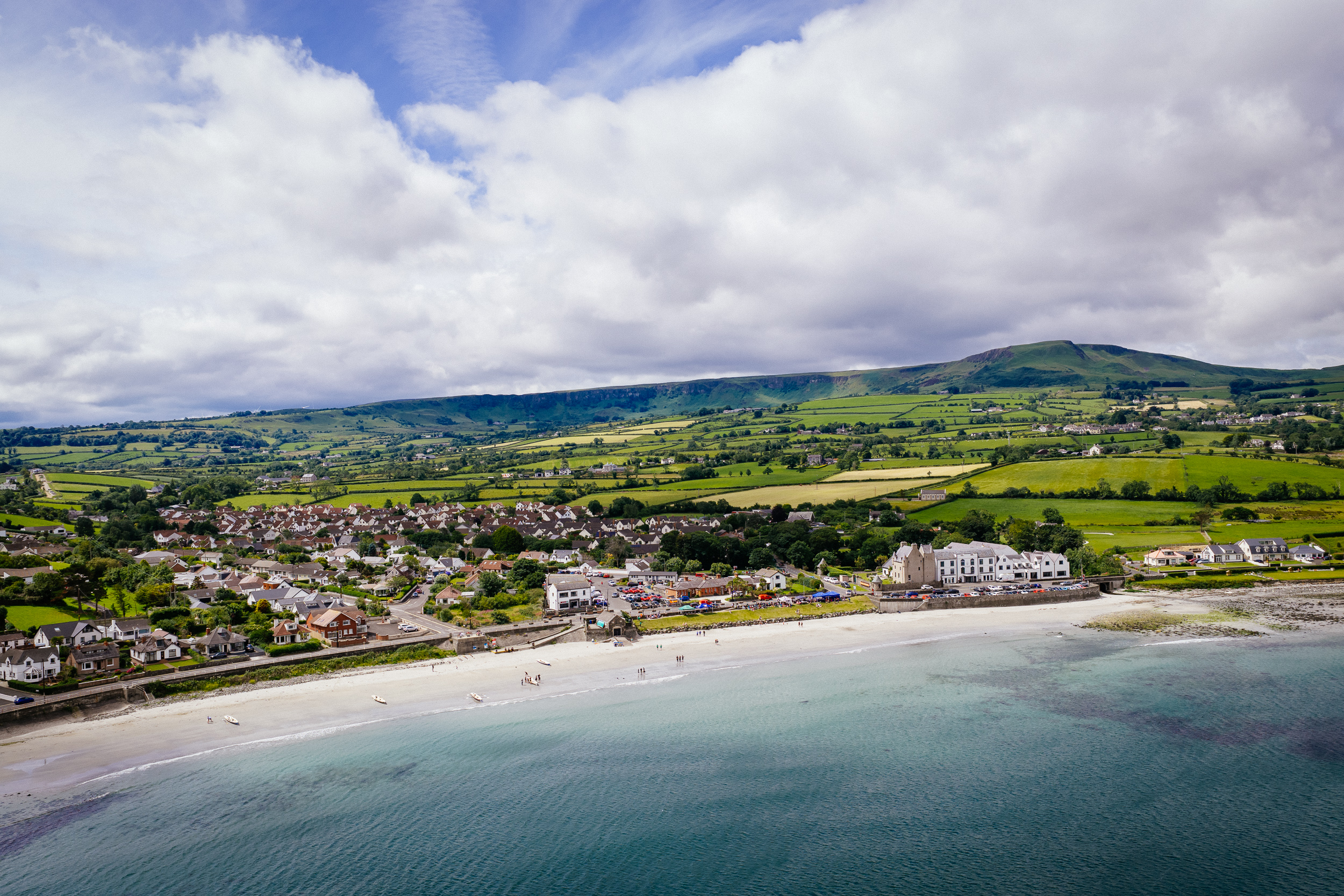
Ballygally sits at the southern end of the Glens of Antrim, where the Antrim Coast Road begins its long run north. From the slipway you can see the headlands stacking up one behind another into the distance. On a winter’s day it is as grey and unforgiving a stretch of coast as you will find anywhere. The damp doesn’t fall on you so much as soak into you and the wind comes straight in off the sea with nothing to slow it down. Drive that same road at four thirty in the morning in June though, when it has hardly got dark and the light is already coming back, and the whole place goes still. Sunrise, flat water, empty road, not a soul about. Same coast, two different worlds.
The club takes its name from Ballygally Castle, built in 1625, now a hotel which stands above the far end of the beach. The slipway at the other end is home. It is a concrete ramp running down through two slopes of boulders, where the boats go in and out two evenings a week and again on a Sunday morning.
The boats are half the battle. There is nowhere to keep them down here, so they are towed down the mountain on a trailer and launched by hand every session, then hauled back up at the end of it. During the winter you pretty much cannot row at all. Any hint of a northerly and the waves come over the sea wall. The slip, greasy with weed, would put you on your arse before you got near a boat.
Then summer comes and that same wall is where you sit in the sun and wait your turn, like the winter never happened. Sat at the side of it the whole time is the polar bear, a white rock with a face painted on. To the south, Ballygally Head, the headland that looks like a giant face staring out to sea.
The Sport, for the Uninitiated
Forget whatever rowing you have seen on television. This is not the Boat Race. No carbon-fibre needles, no sliding seats and rarely flat water. Coastal rowing happens on the open sea, on a fixed seat that blisters you through your shorts, in boats built to take it.
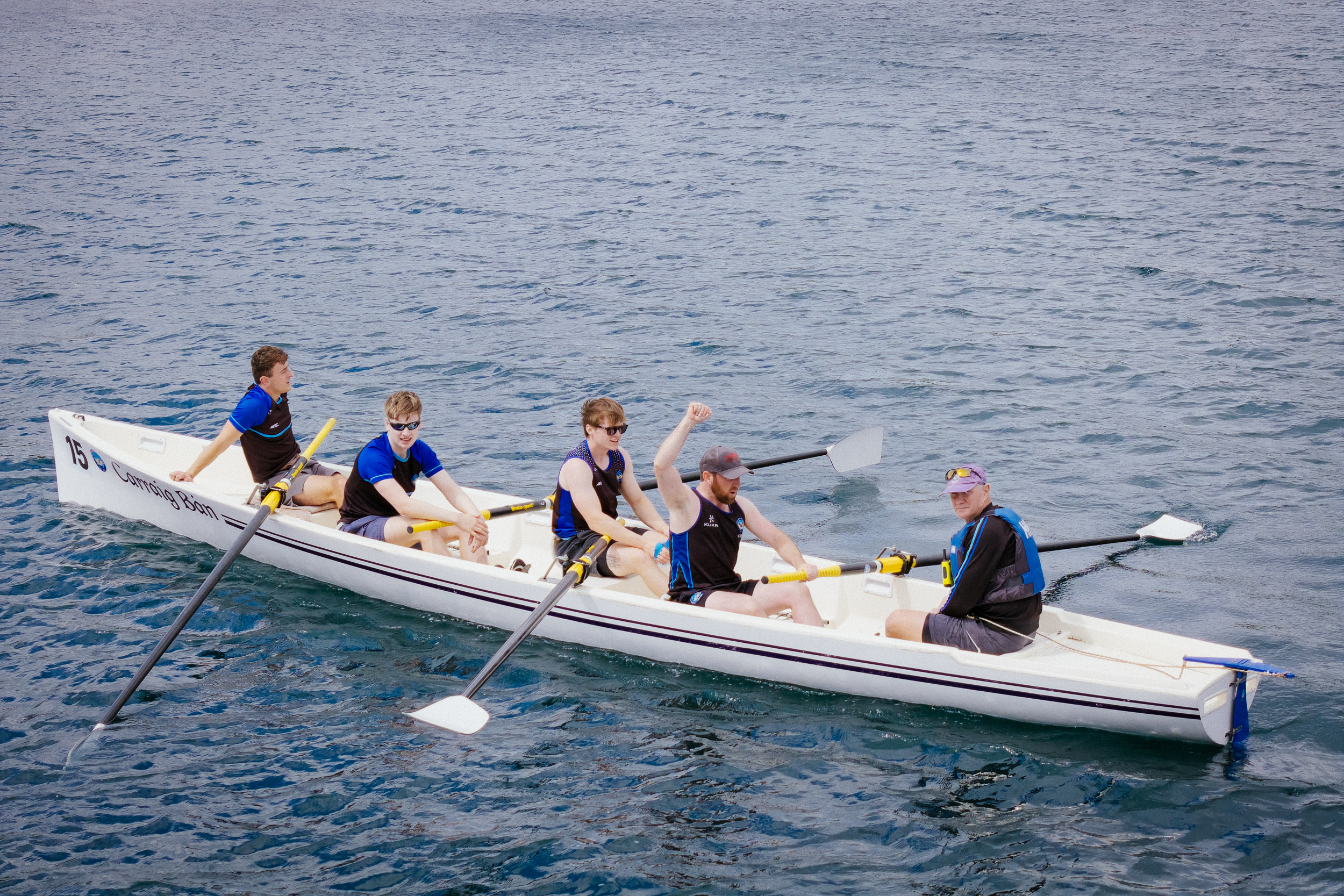
On the Antrim coast the racing is in One Designs. A heavy fibreglass boat, every club’s boat built to the same specifications so that nobody is buying speed. Four rowers, one oar each and a cox in the stern calling the shots. The seat is polished smooth so you can slide back and forth on it and drag your legs into the stroke, so you row with your legs, your back, your arms and your hips, and you feel it in all four by halfway through a race. River rowers glide. Coastal rowers grind.
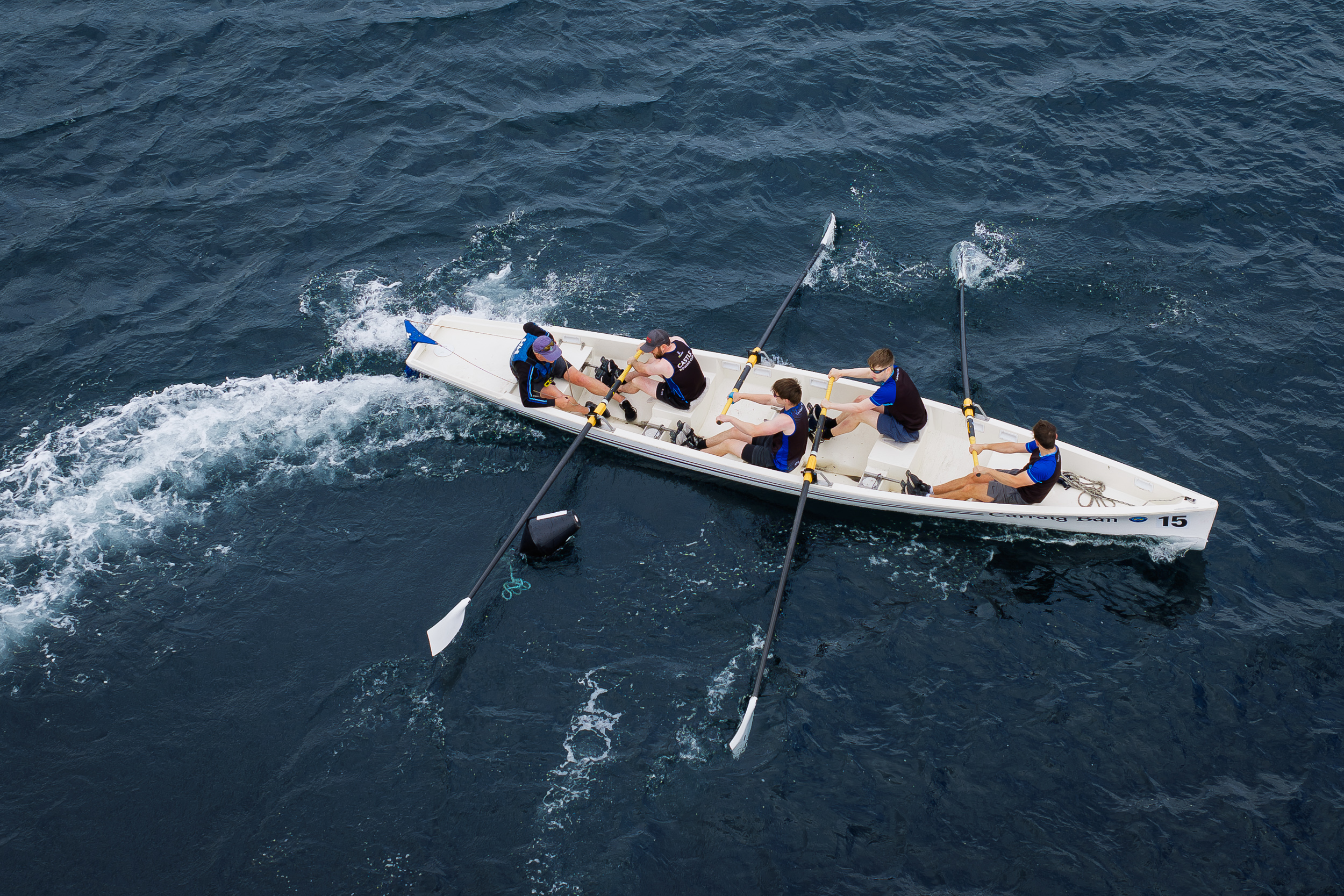
And the sea has opinions. Flat-water rowing is about repeating the perfect stroke a few hundred times. Out here there is no perfect stroke because no two waves give you the same water. You are timing the catch off a swell, catching crabs, taking air shots, getting knocked off your line and fighting the boat back onto it.
Racing runs through the summer. A circuit of regattas the length of the coast with every club hosting its turn. Courses are short and brutal – around 1500m out around a turning buoy and back, every boat rounding its own buoy, which is where races are won and wrecked. Get the turn wrong and three lengths are gone. The season builds to the All-Ireland Championships in August, where crews from the whole island, hundreds of them, race it out over a long weekend.
The Winter
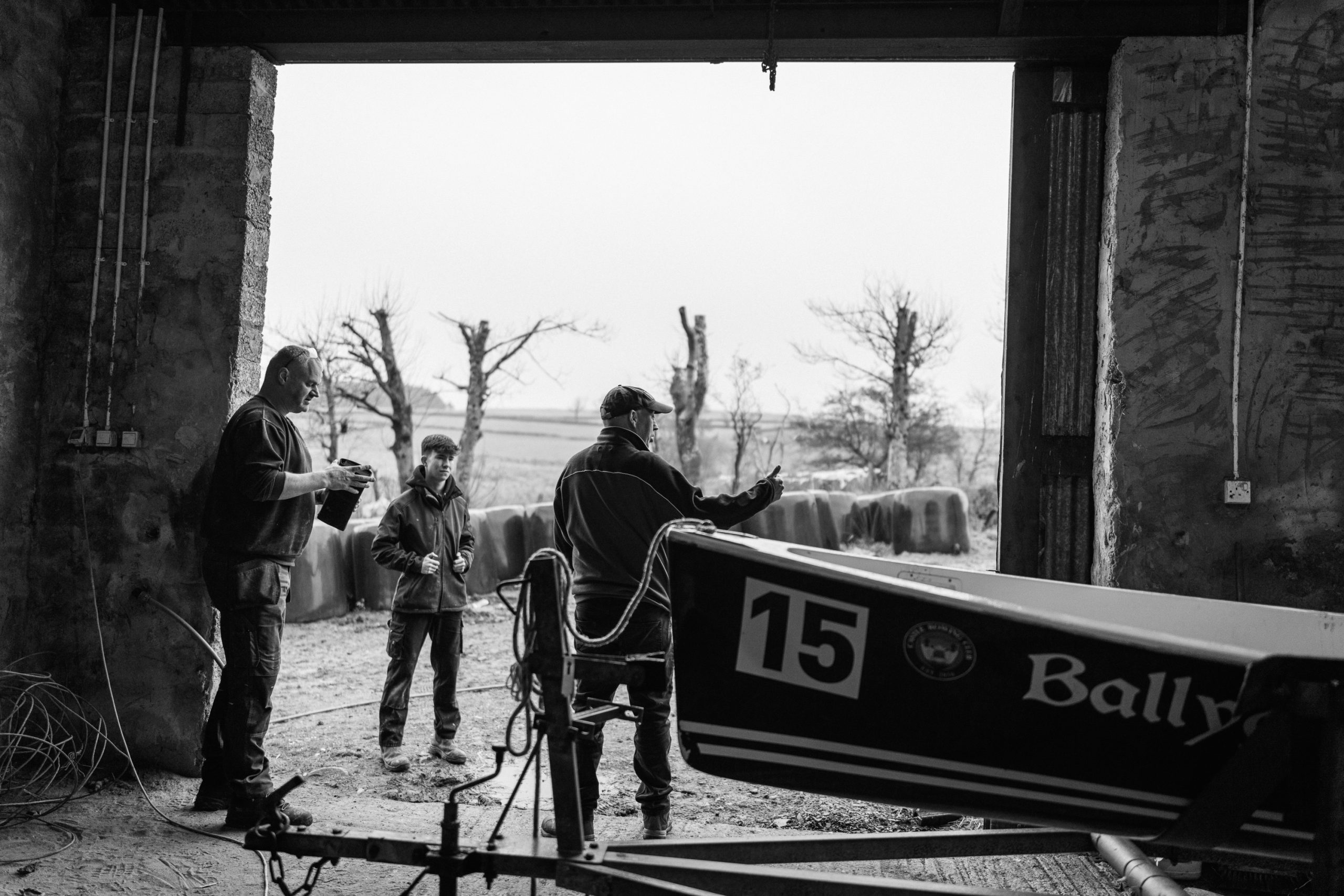
The boats come out of the water, the ergs come out of storage and the season drops into maintenance, fitness and repetition. For Castle, boat repair happens in a shed on top of Sallagh mountain, above Ballygally on the Antrim Plateau, about as exposed a spot as you’ll find anywhere on this coast. The snow drifts deep up there and the wind comes in off the plateau without breaking on anything. It’s the kind of place where the trees grow sideways.
Inside, under bare bulbs, the boats are lifted onto trestles and worked back to race-ready. The dust gets in everything. Eyebrows, collars, the backs of your hands. Whoever’s up there some nights doesn’t leave until well past dark, working a crack by the light of their phone. The boats that cross the finish line in August are the boats somebody fixed in February, in a cold shed on a mountain that almost nobody else ever sees.

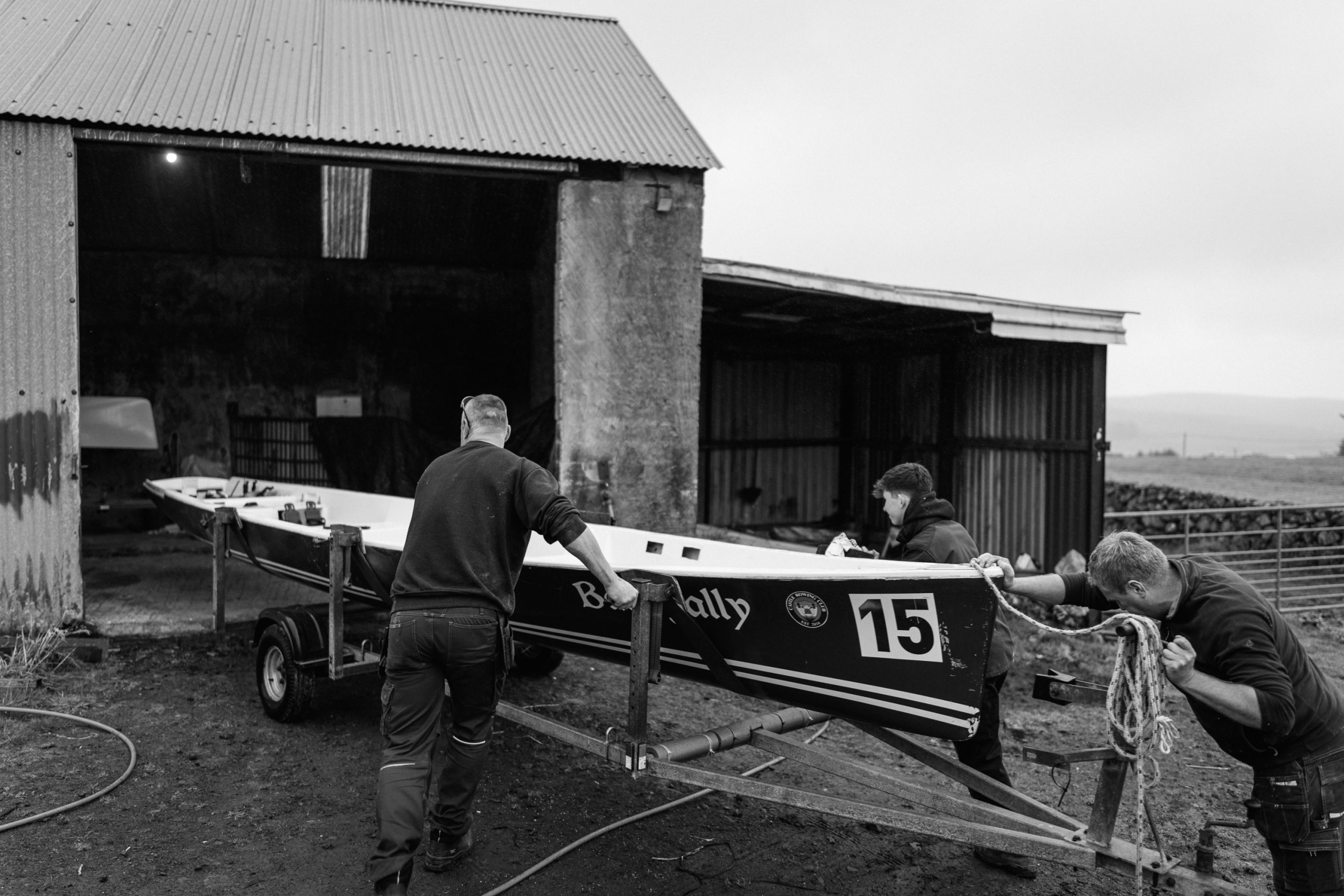


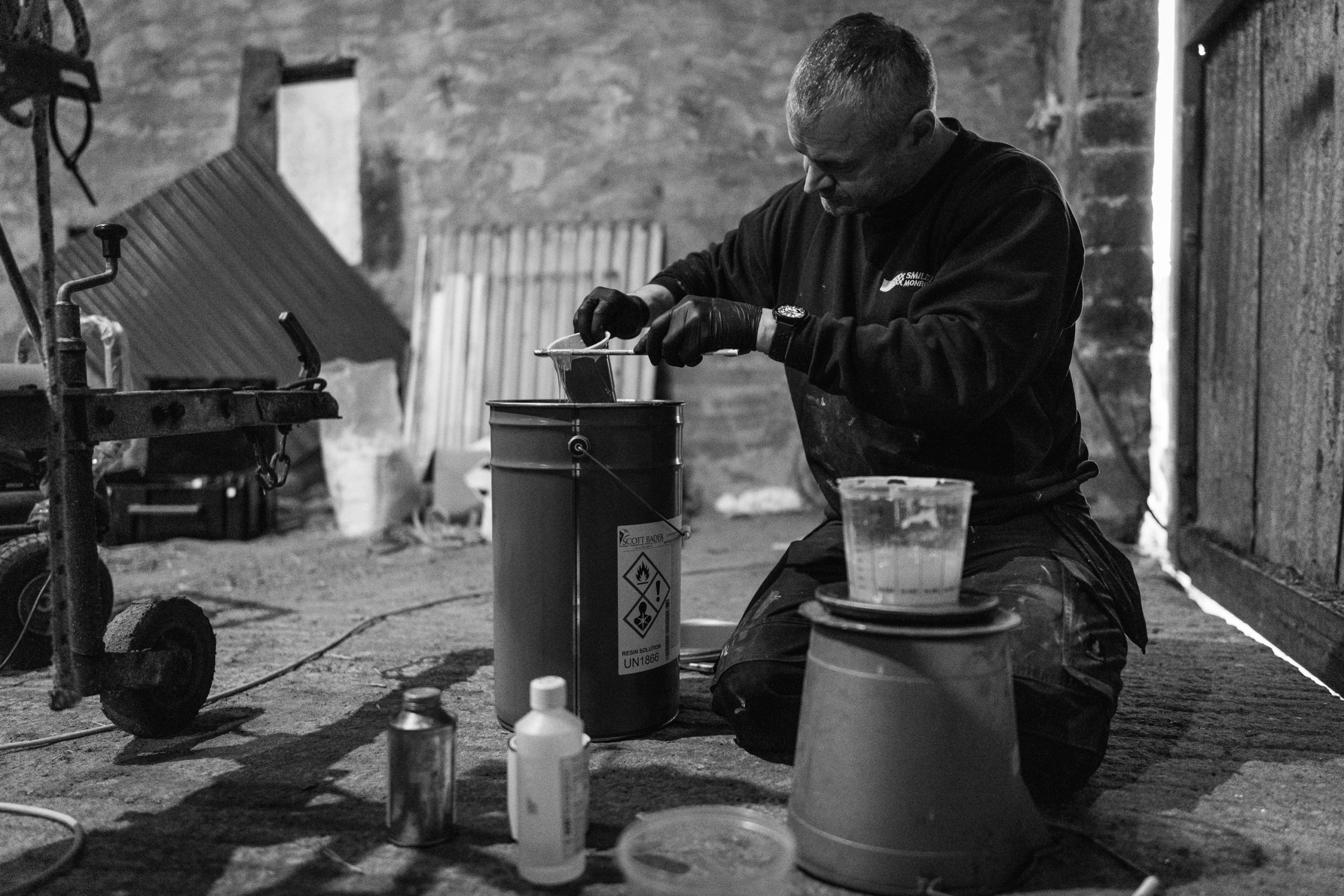
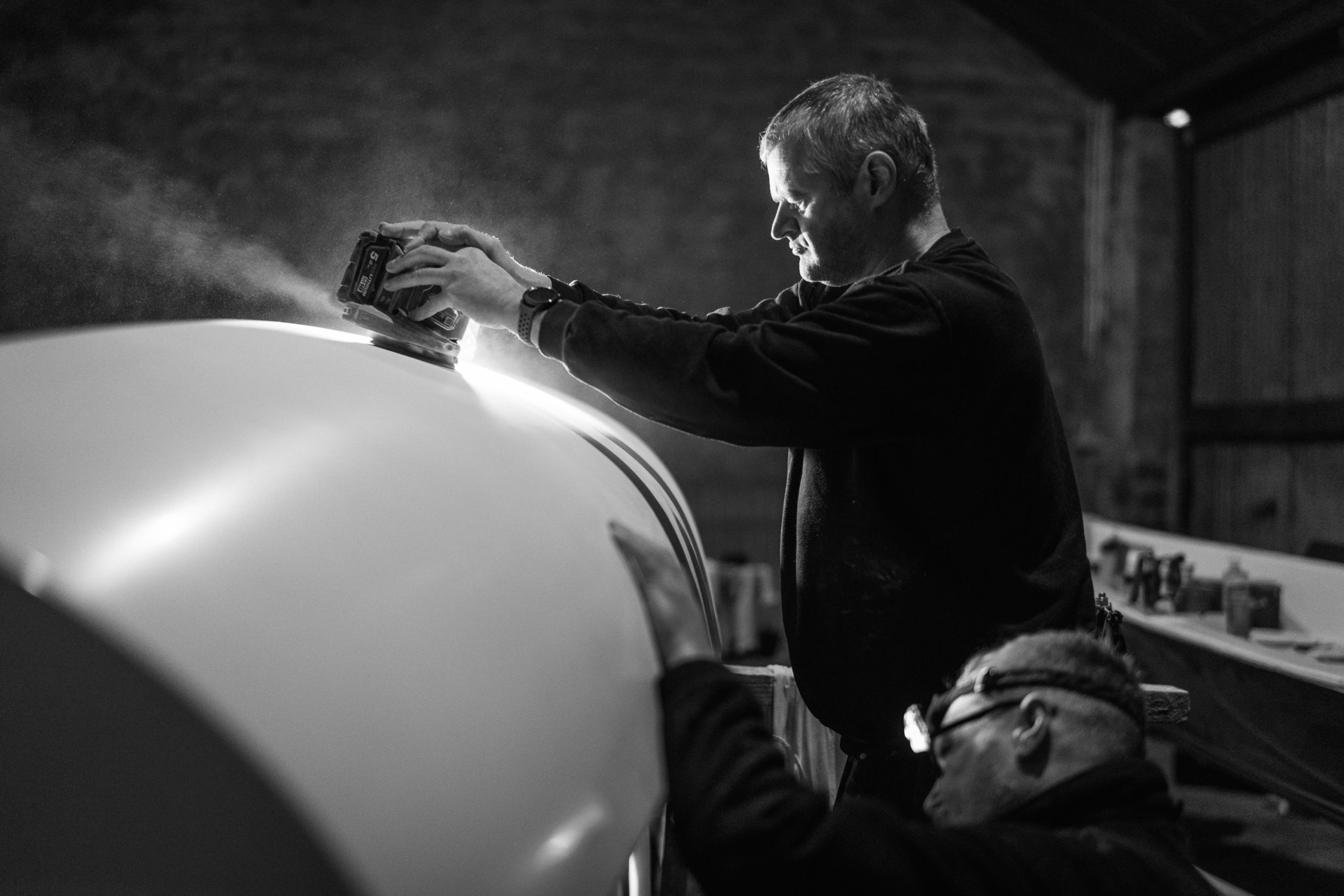


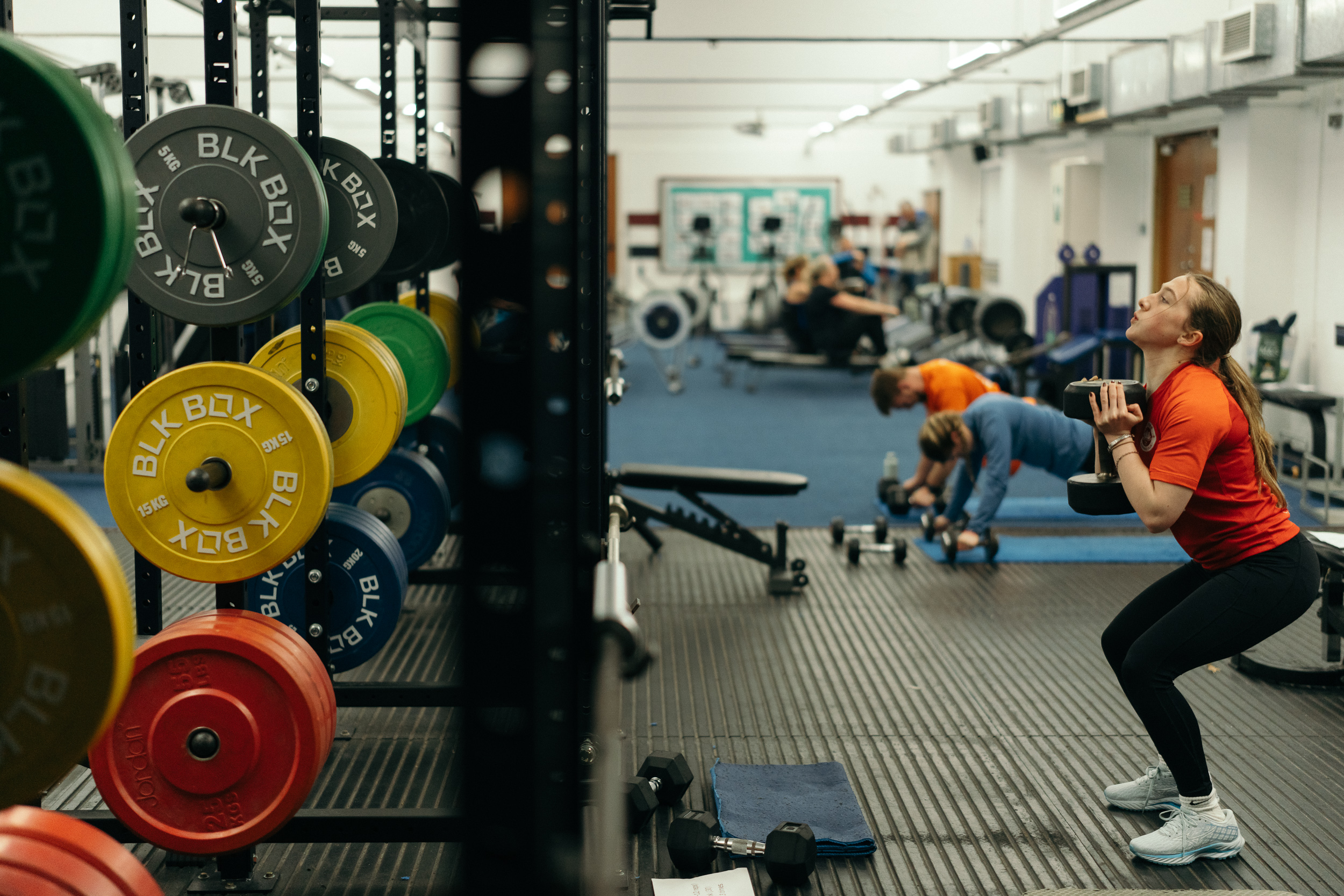
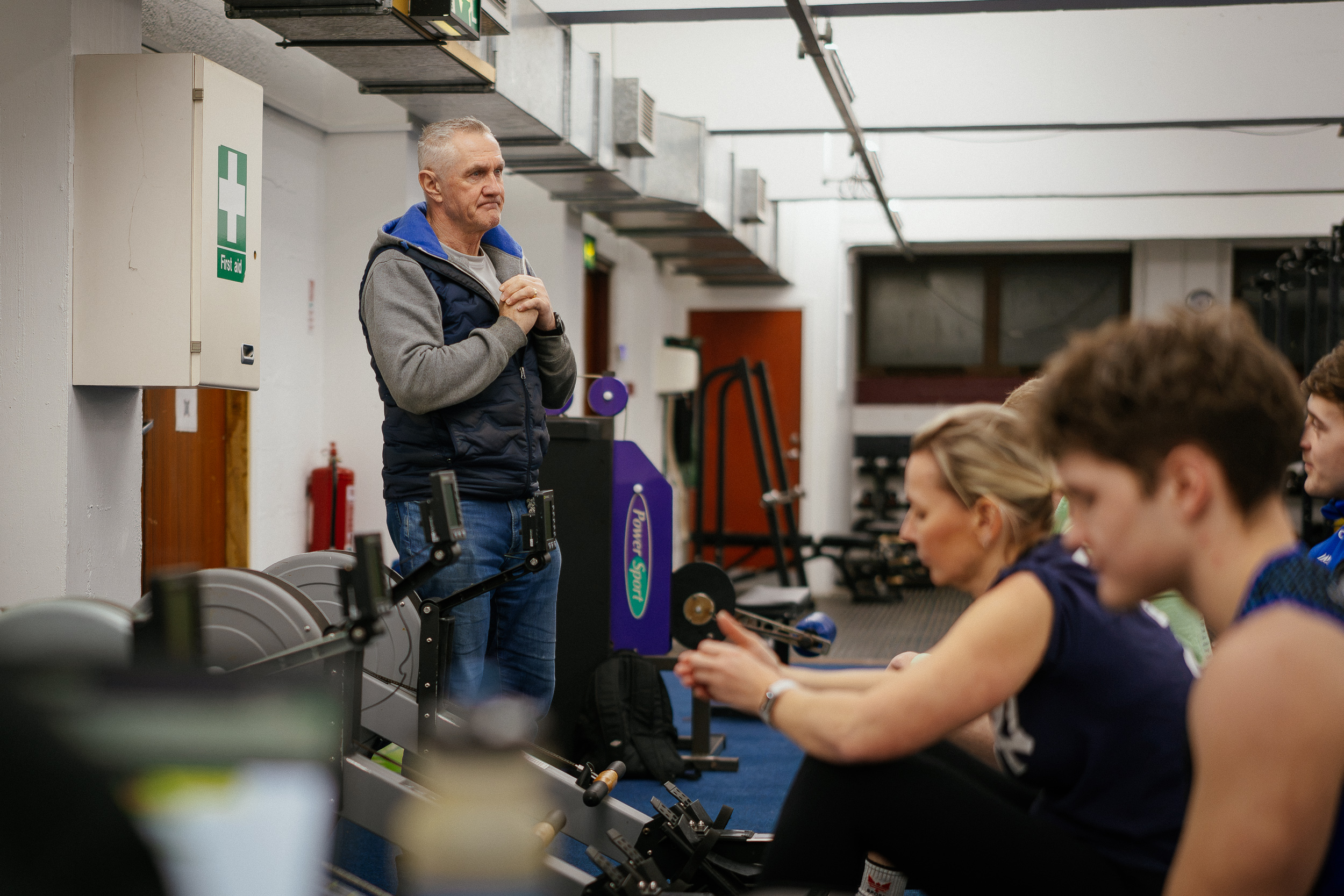
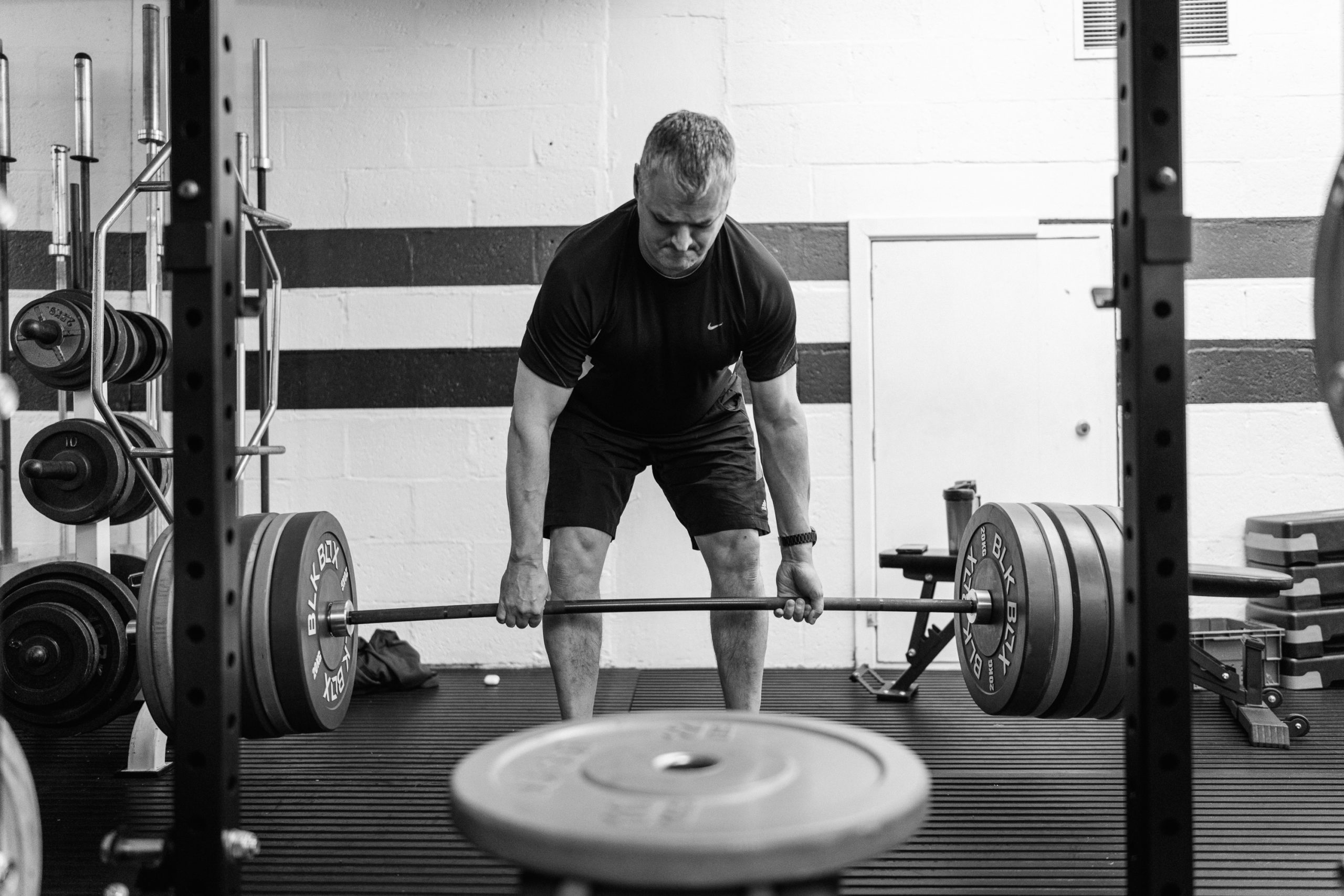
The other side of winter is Larne Grammar. Two nights a week Castle Rowing Club queues up to take turns on the ergs, the weights and the circuits. Sarge runs the session and keeps the programme moving, making sure nobody’s coasting. Nobody argues with it. By next season the whole club can feel the difference it’s made.




Regatta Season
From May through to August, the routine shifts. You’re no longer just looking at the familiar line of Ballygally bay. Instead, you’re loading trailers at the crack of dawn and driving the Coast Road. Castle travels the length of the Antrim coast and beyond, towing boats into Carnlough, Cushendun, Cushendall, Glenarm and Whitehead, and hosting their own day back home at Ballygally.
These days are completely self-hosted and run by the clubs themselves. When you arrive at a beach or a harbour, the seafront is lined with rows of club gazebos, each done out in the team colours. The hosting club manages everything on the ground, down to the catering. It’s a massive logistical effort, with members fuelling the day with sandwiches, tray-bakes and flasks of tea. It can get incredibly busy, but there is a distinct order to it. Every club knows their job, how to mind the boats and how to keep the timetable moving.
Out on the water, the focus is entirely on the racing. You’ll dig in until your lungs burn to keep another club from getting their bow ahead of yours. It’s a dogfight to the turning buoy. Oars clashing, coxes screaming, lungs gasping. But the second you cross the line, it drops.
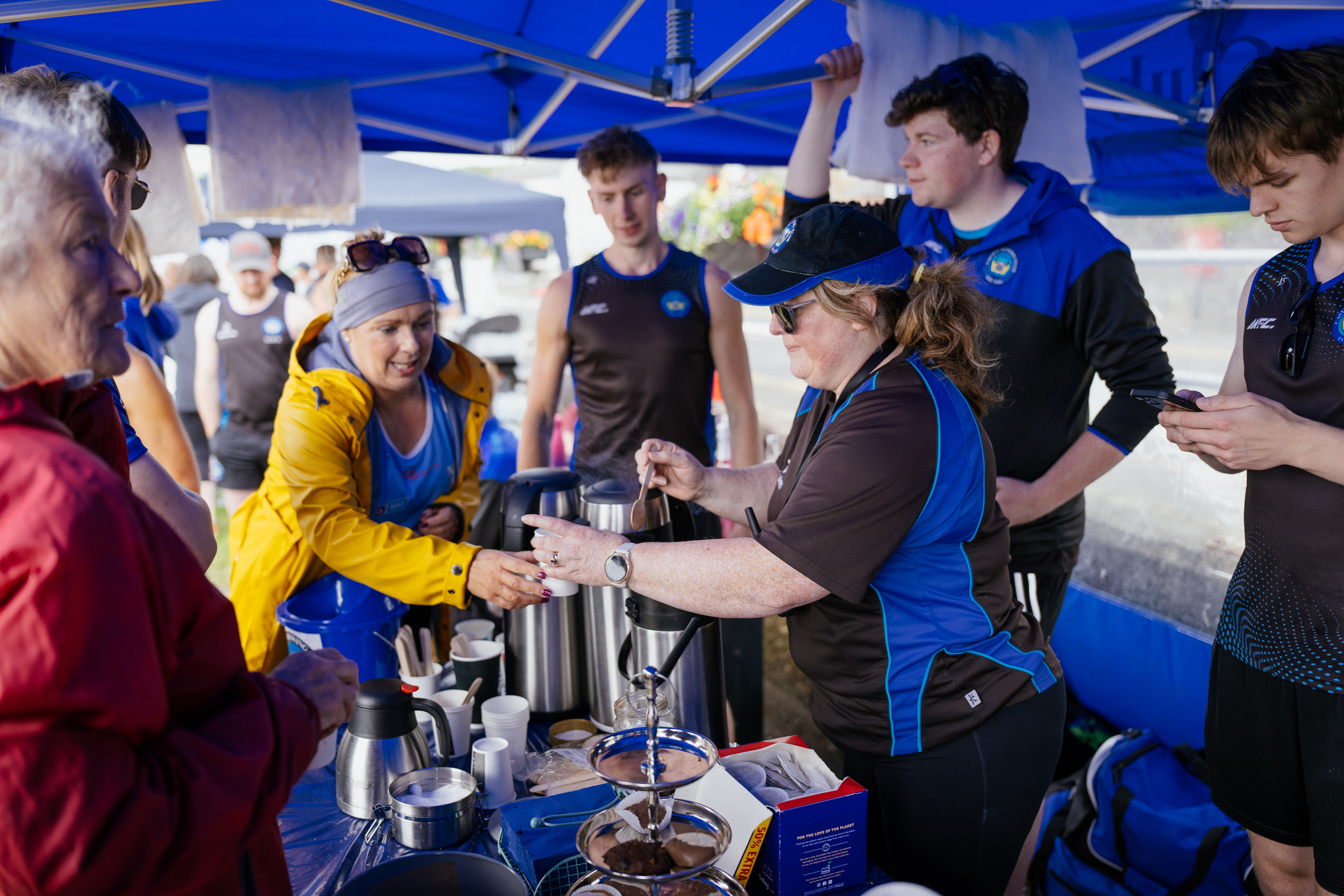


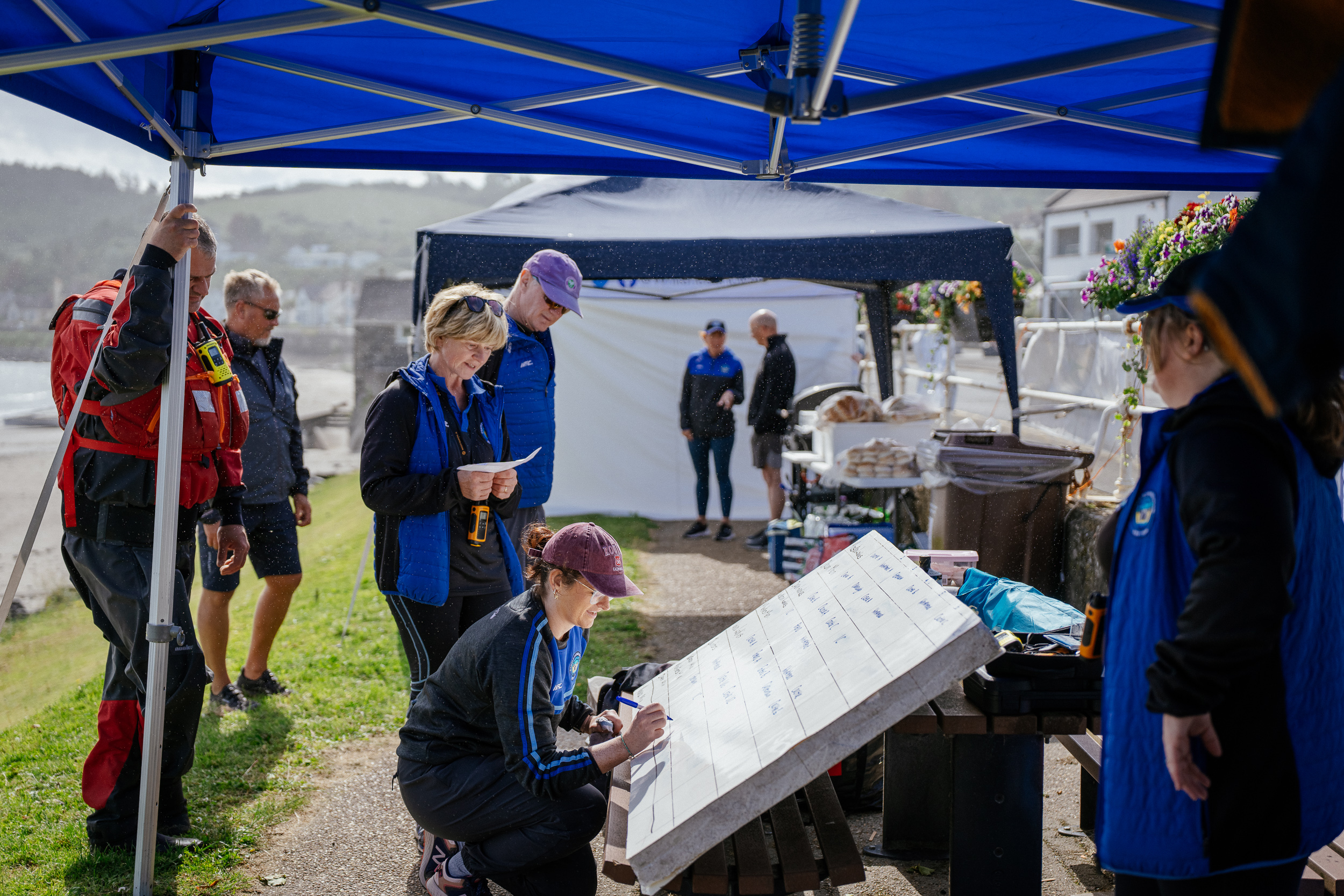

Once the boats are hauled up, everyone mixes together along the wall or between the tents. It turns into one big club wearing different coloured vests. There’s no elite isolation here; everyone is dealing with the same blisters and the same bad luck.
Occasionally, the lines between the clubs blur even further out of necessity. If a crew is short a body because someone gets stuck on the road, you don’t scratch the race. You walk over to a neighbouring gazebo and ask for a spare rower. Nobody thinks twice about it. You can spend the morning pulling your guts out trying to beat a fella from Whitehead or Inver Colpa, and by three o’clock in the afternoon, he’s sitting in your boat, pulling an oar right beside you because you needed a hand.
The All Irelands
Glenarm in August looked like somewhere else entirely. The sun came down on the harbour and stayed there all weekend, the water flat, the village behind it bone dry and warm. On the Antrim coast in August you don’t take weather like that for granted.
Castle made the journey down the coast in numbers nobody had seen before. Members who had spent the winter on ergs in Larne Grammar and the spring hauling boats off a greasy slip were now rigging in the best conditions of the year.
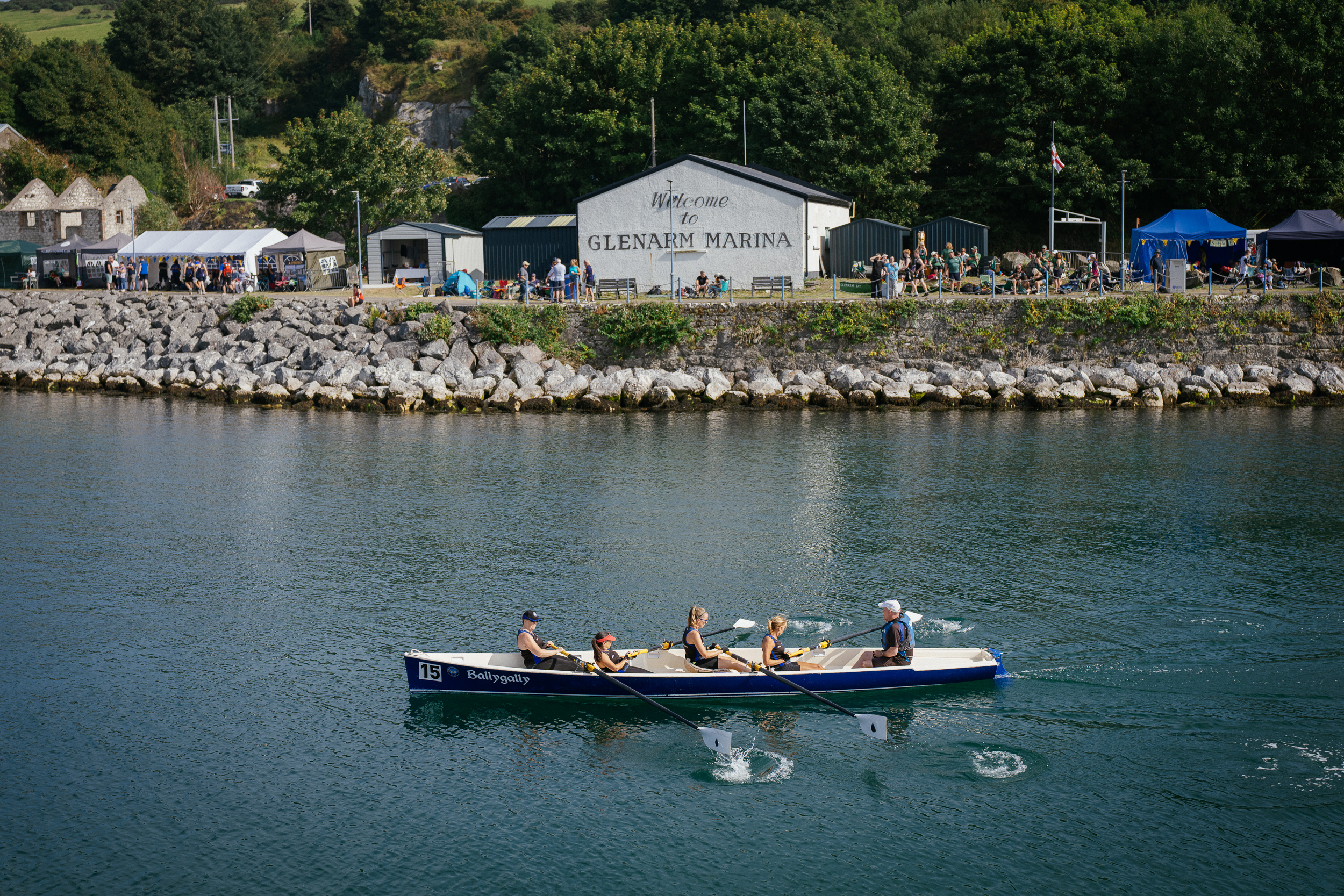
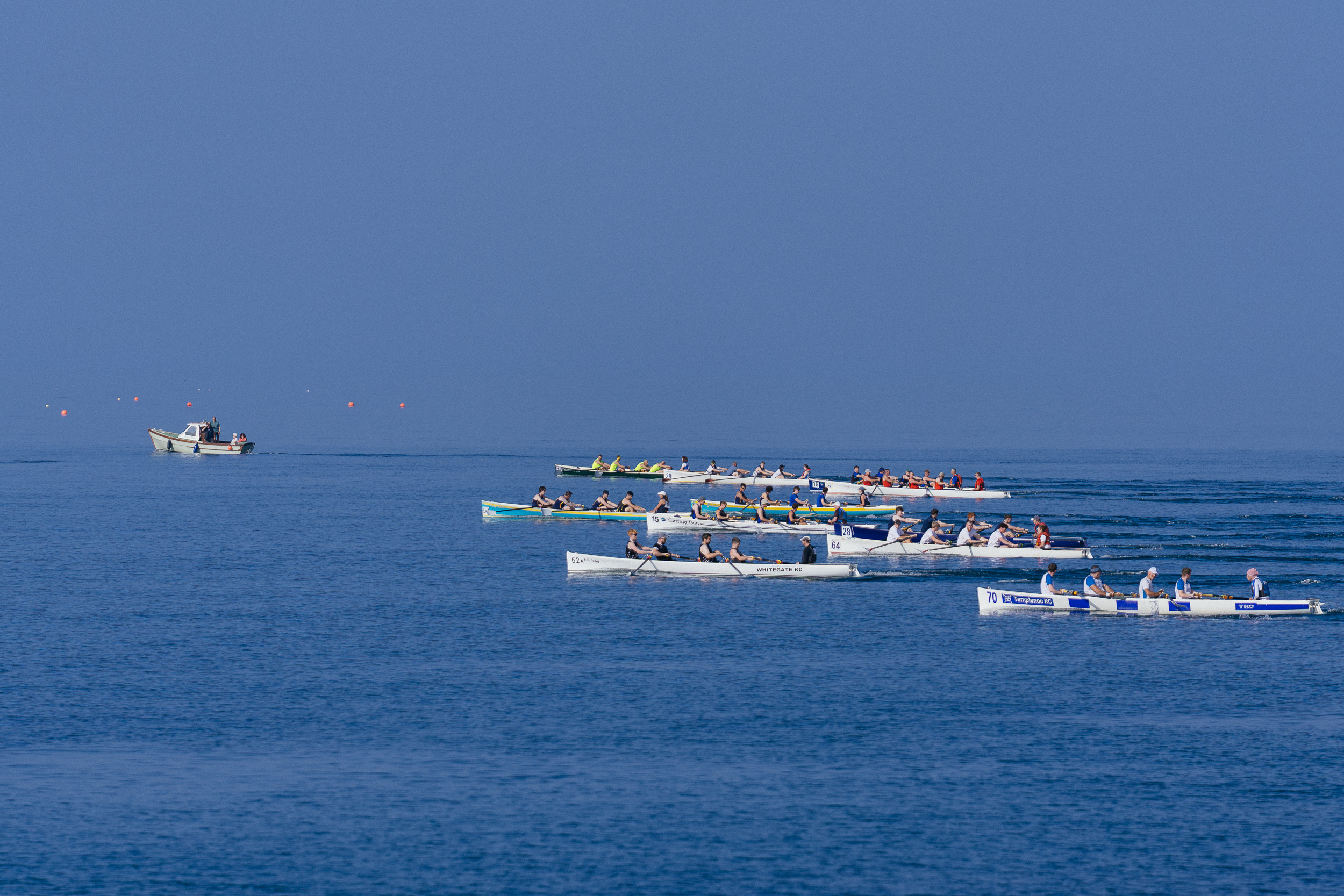
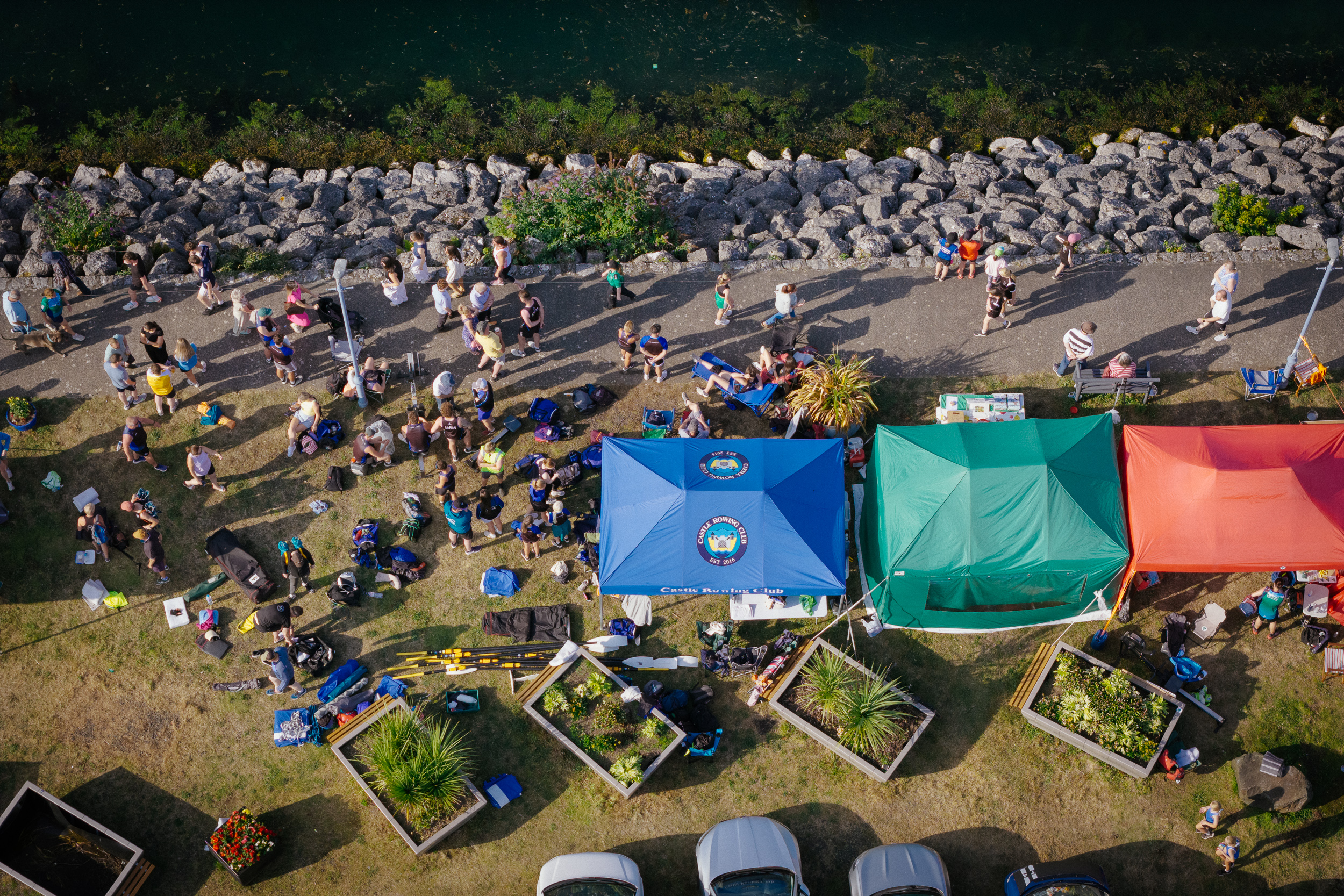

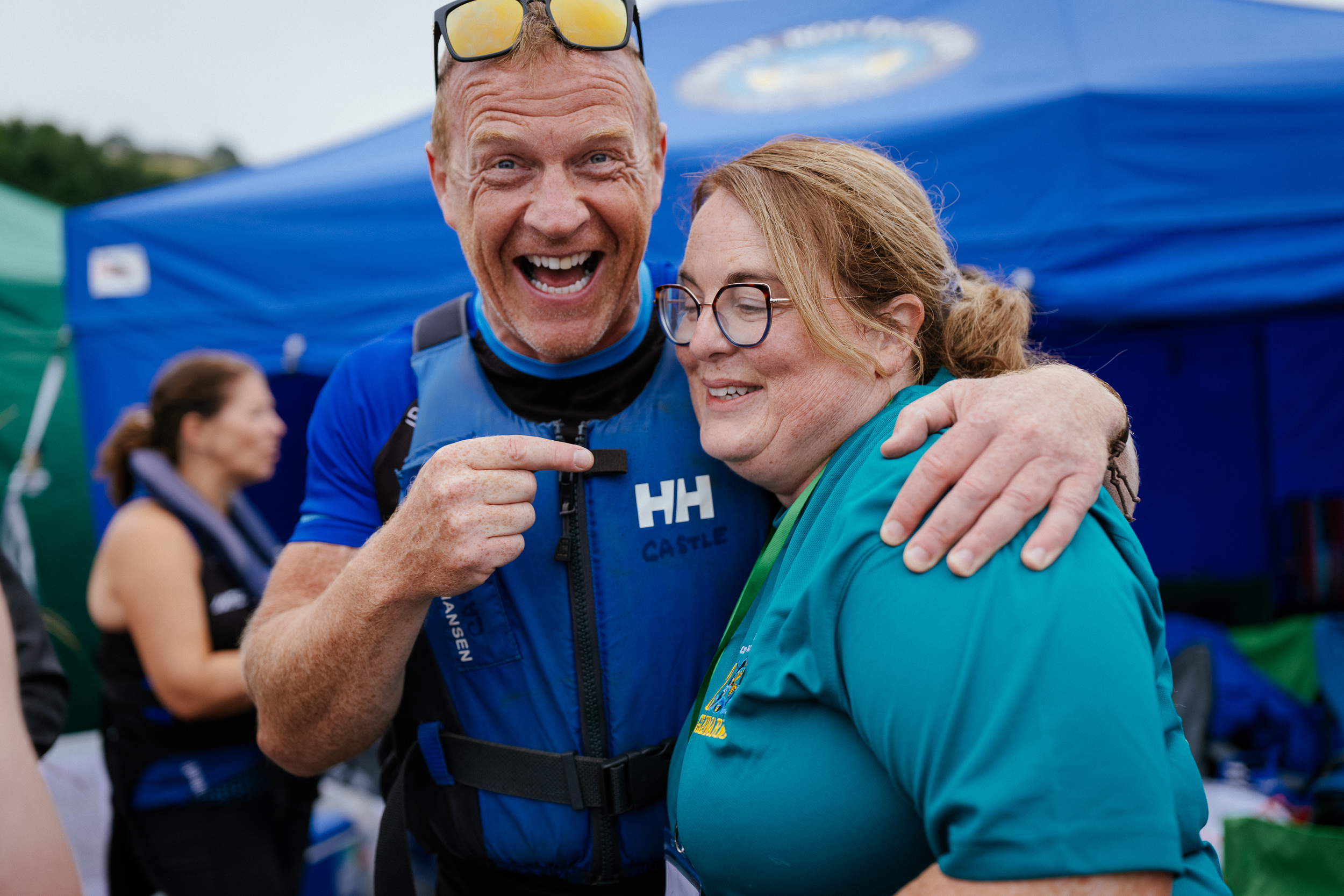




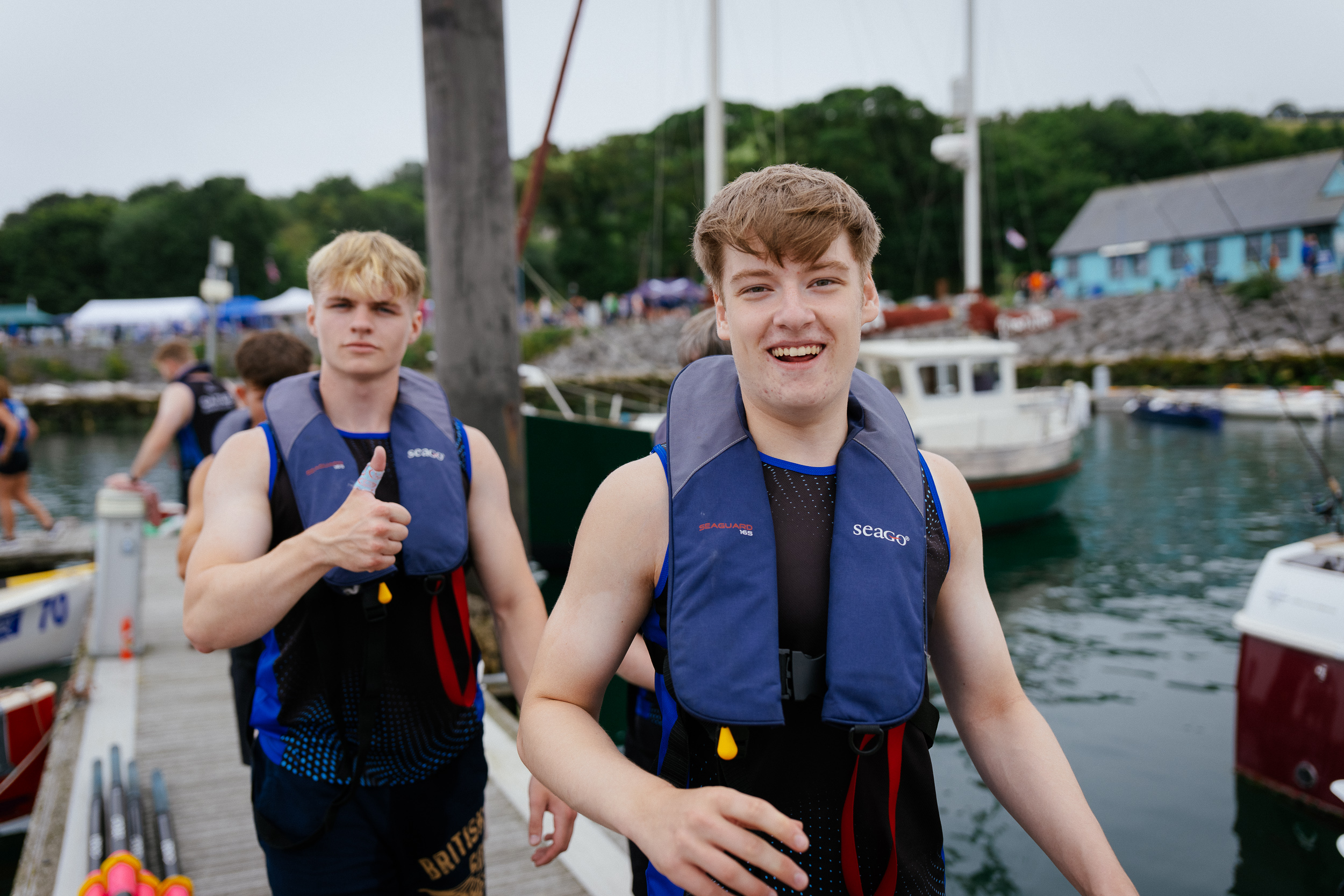


But the water doesn’t care about any of that. Fifty strokes into a race your legs are gone and your lungs are burning and the only thing that matters is getting your bow to the buoy before the boat beside you does. The sport stays hard. The sun just means you suffer in better conditions.
When the under-16 girls came off the water, the club had its gold medal. On the pontoon it came apart in the best way. The girls themselves were in disbelief. You could see it on their faces. The result hadn’t caught up with them yet.
This is what the ergs are for. This is what the shed on Sallagh is for. This is what somebody, every Tuesday, Thursday and Sunday stands at the top of the slip organising crews for.
The People
People turn up to coastal rowing for different reasons. Fitness, competition, friendship or just a need to do something hard with the body when the head gets too loud. Ask anyone on the Ballygally slipway why they joined and you’ll get a completely different answer every time.
Look at the crews lining up on a training night and you’ll see the actual mix of the place. It’s vets, solicitors, nurses, students, farmers, pilots and fellas who retired five years ago. You’ve got teenagers who have never rowed a stroke in their lives sitting on the same seats as fifty-year-olds who can still out-pull everyone else on the ergs.
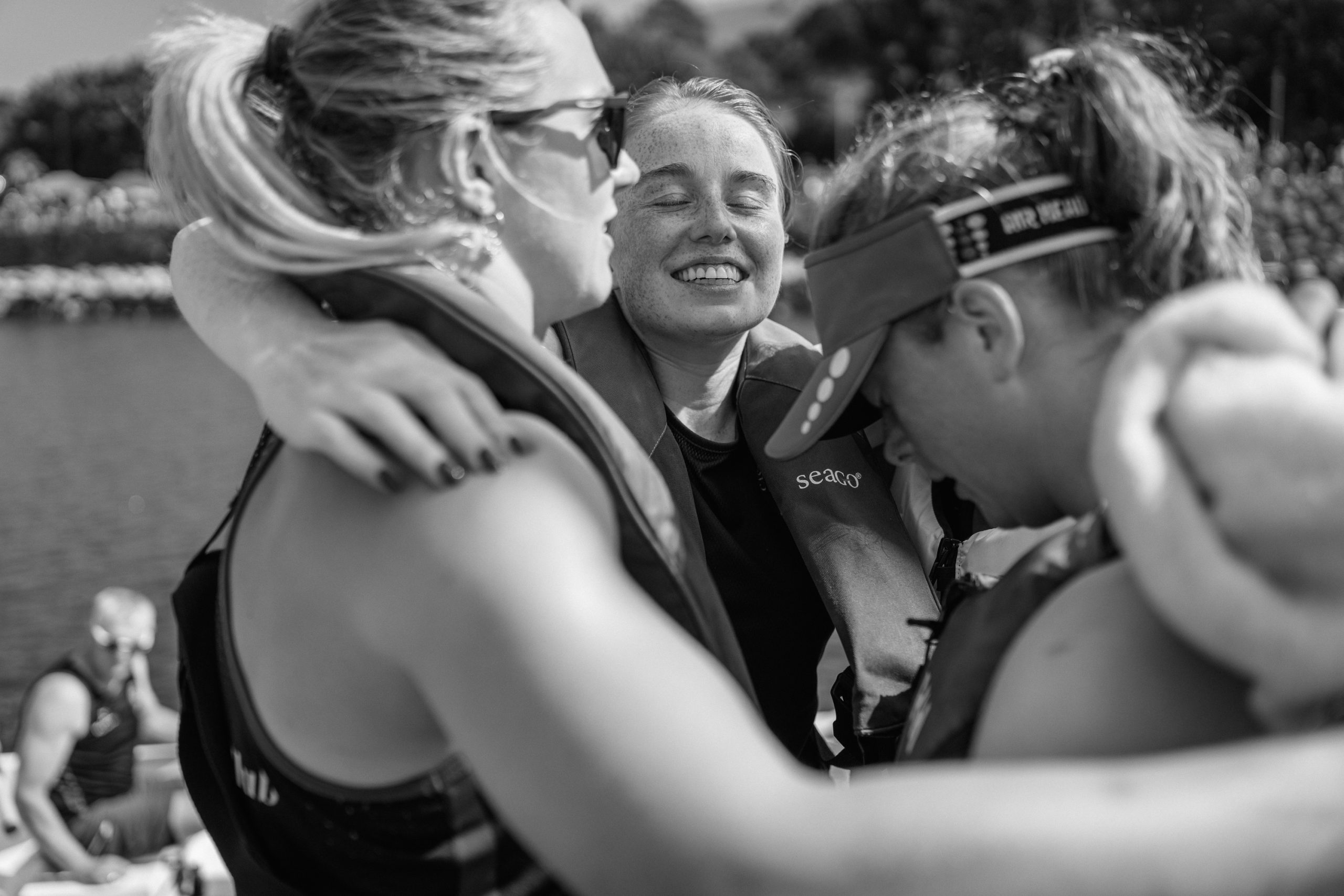


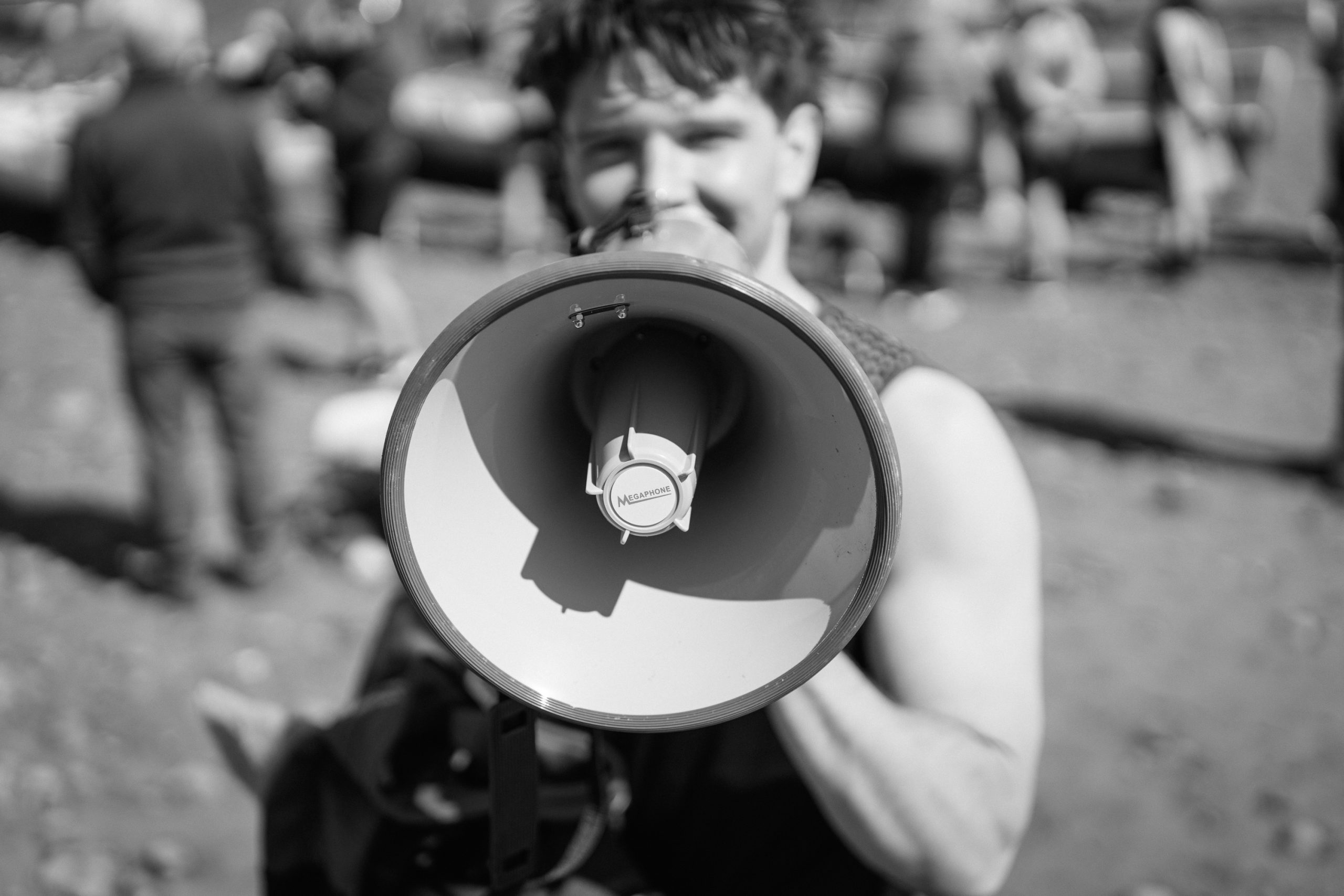
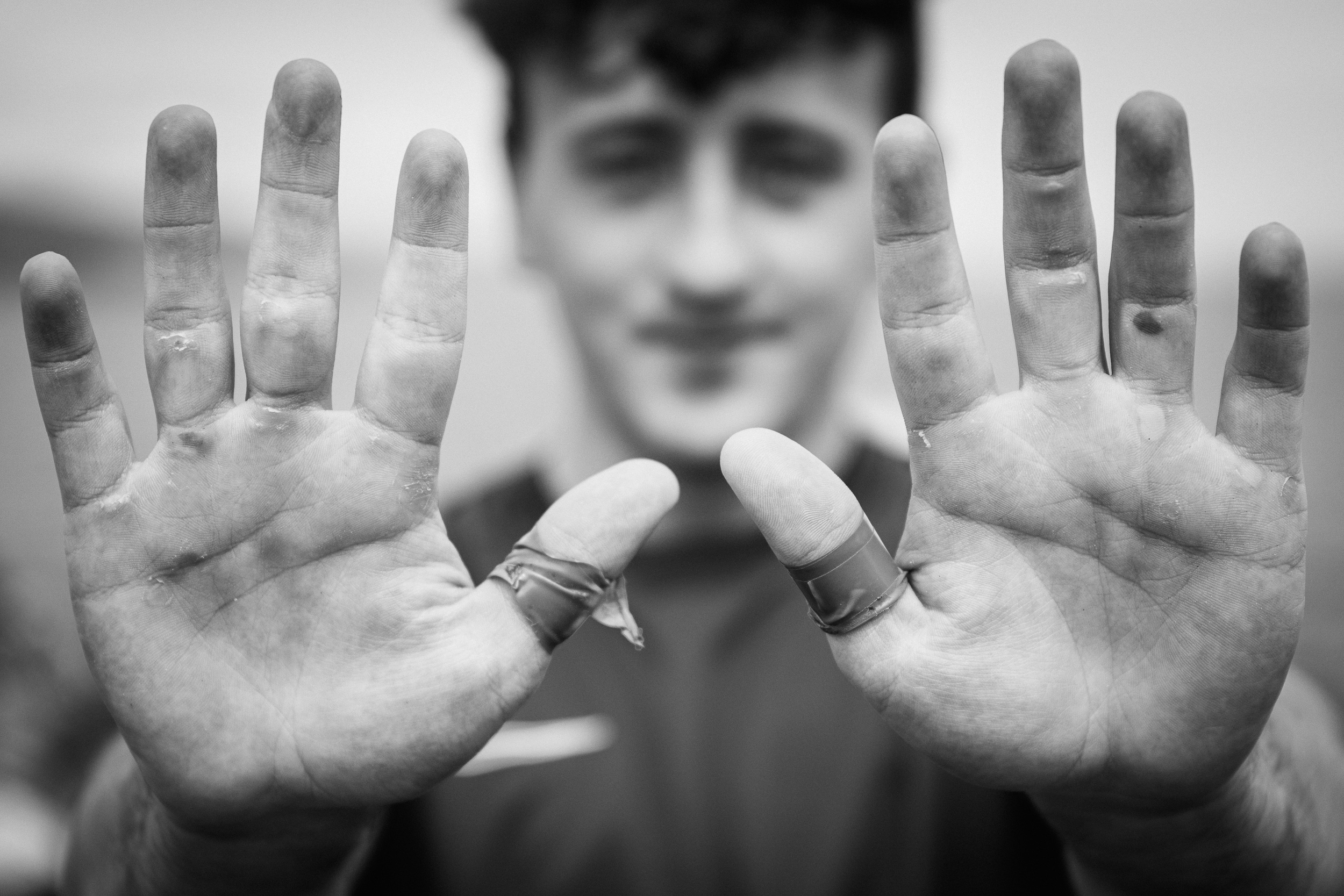

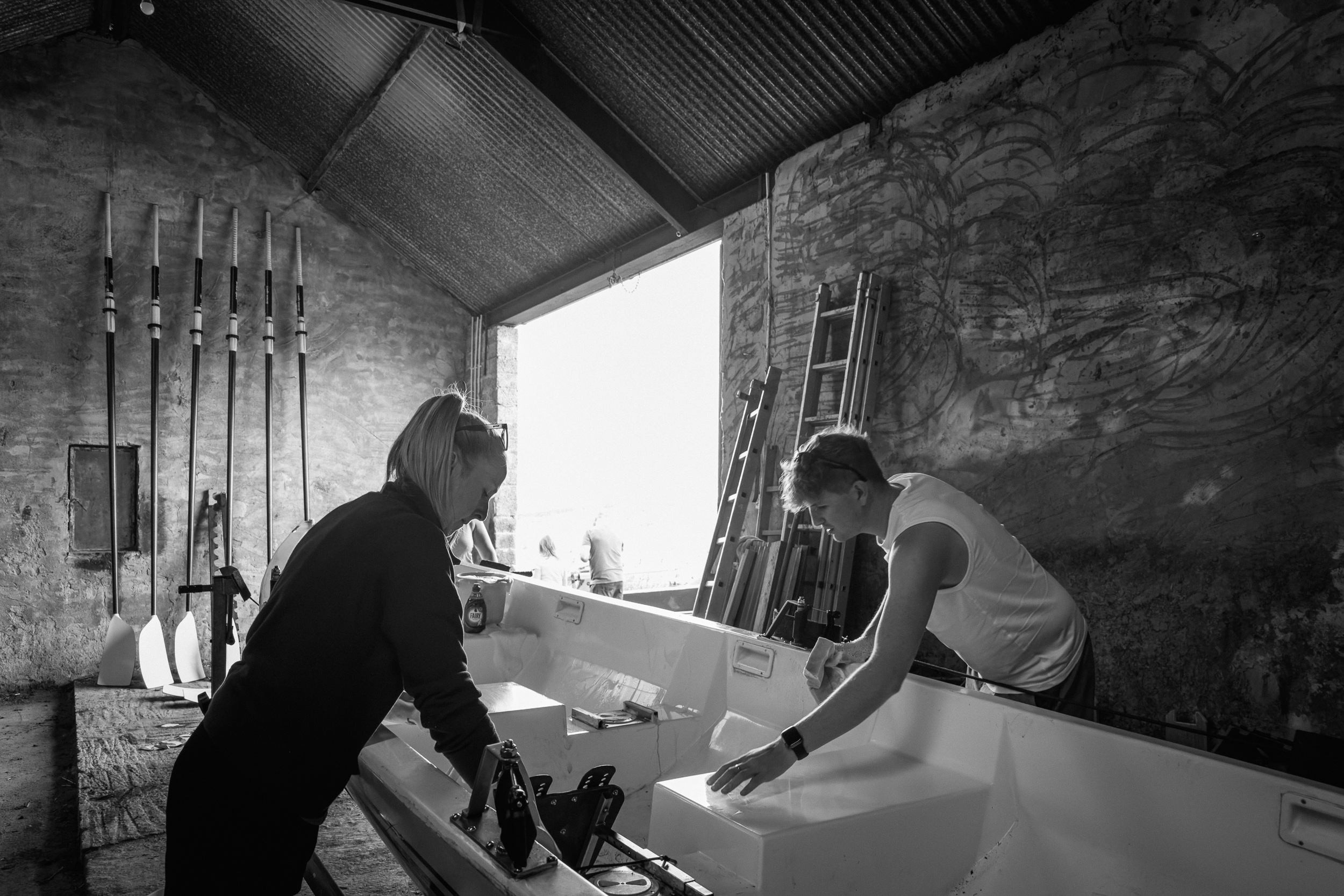

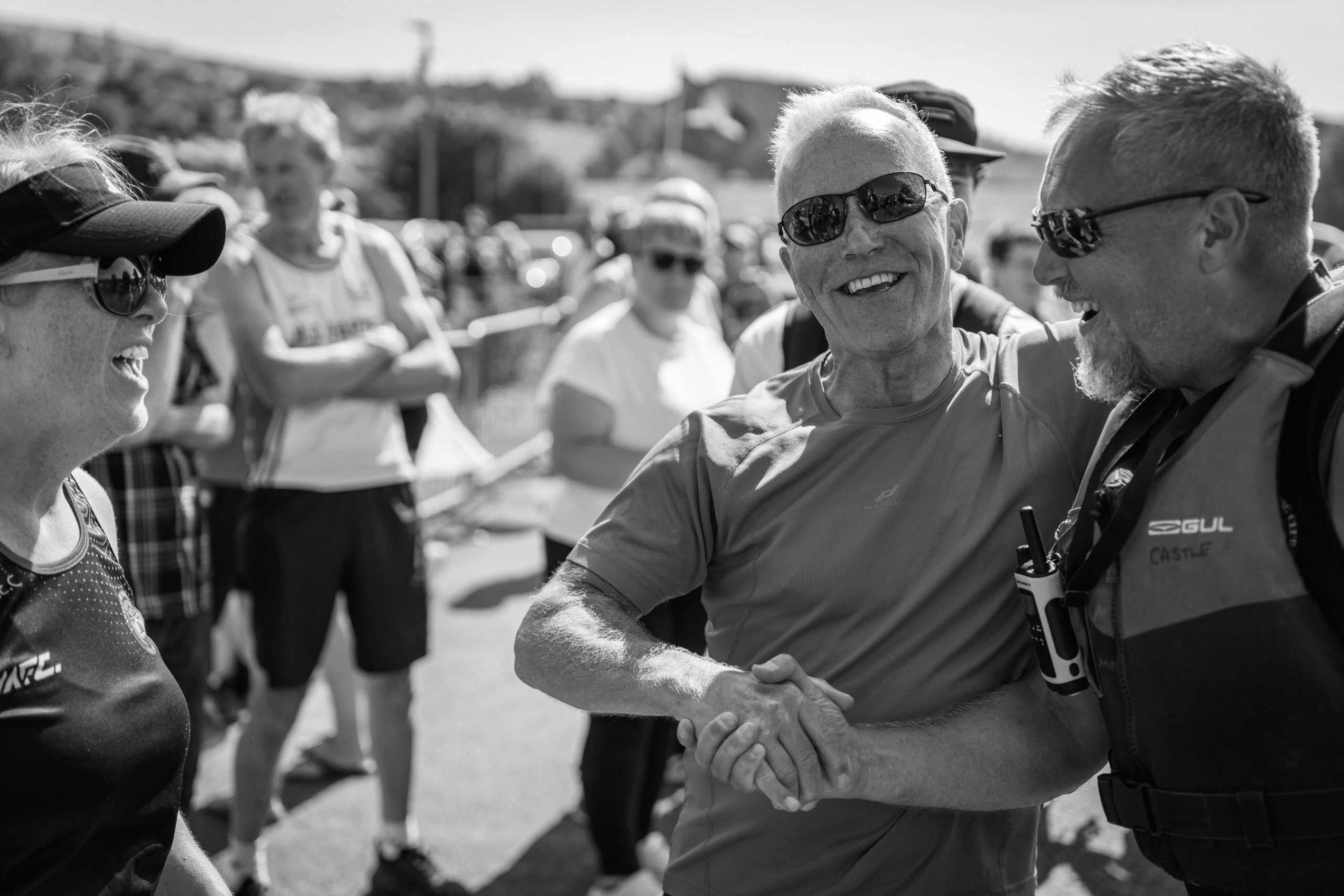


What holds the whole thing together isn’t any one person, it’s everybody. The ones who turn up at six in the morning to load a trailer. The ones who wade into the surf to launch and retrieve the boats. The ones who spend a winter evening sanding a hull in a cold shed because the boat has to be ready by spring. The ones with black electrical tape wrapped around their blisters, sitting on the sea wall after a session, talking until the light goes.
None of them are doing it for thanks. Most of them would tell you it’s as much the people, not the rowing, that keeps them coming back. A crew that expects you to show up. A slipway full of familiar faces on a Tuesday night, whatever the weather’s doing.
My Thread
I’m a photographer and a coastal rower, which made this project a massive pain in the arse. My instinct on a job is to keep the camera to my eye and wait for the shot. But when the boat was tied to the pontoon and they’re waiting on you to fill a seat, you don’t stand there shooting. There isn’t an option. You bag the gear, step over the gunwale and grab an oar.
I came to Castle in 2025, having rowed with Whitehead for a few years prior. From those first sessions I felt at home in a way I hadn’t expected. A lot of Castle’s members are from Larne, where I also went to school, and turning up at the slipway kept producing faces I hadn’t seen in thirty five years.
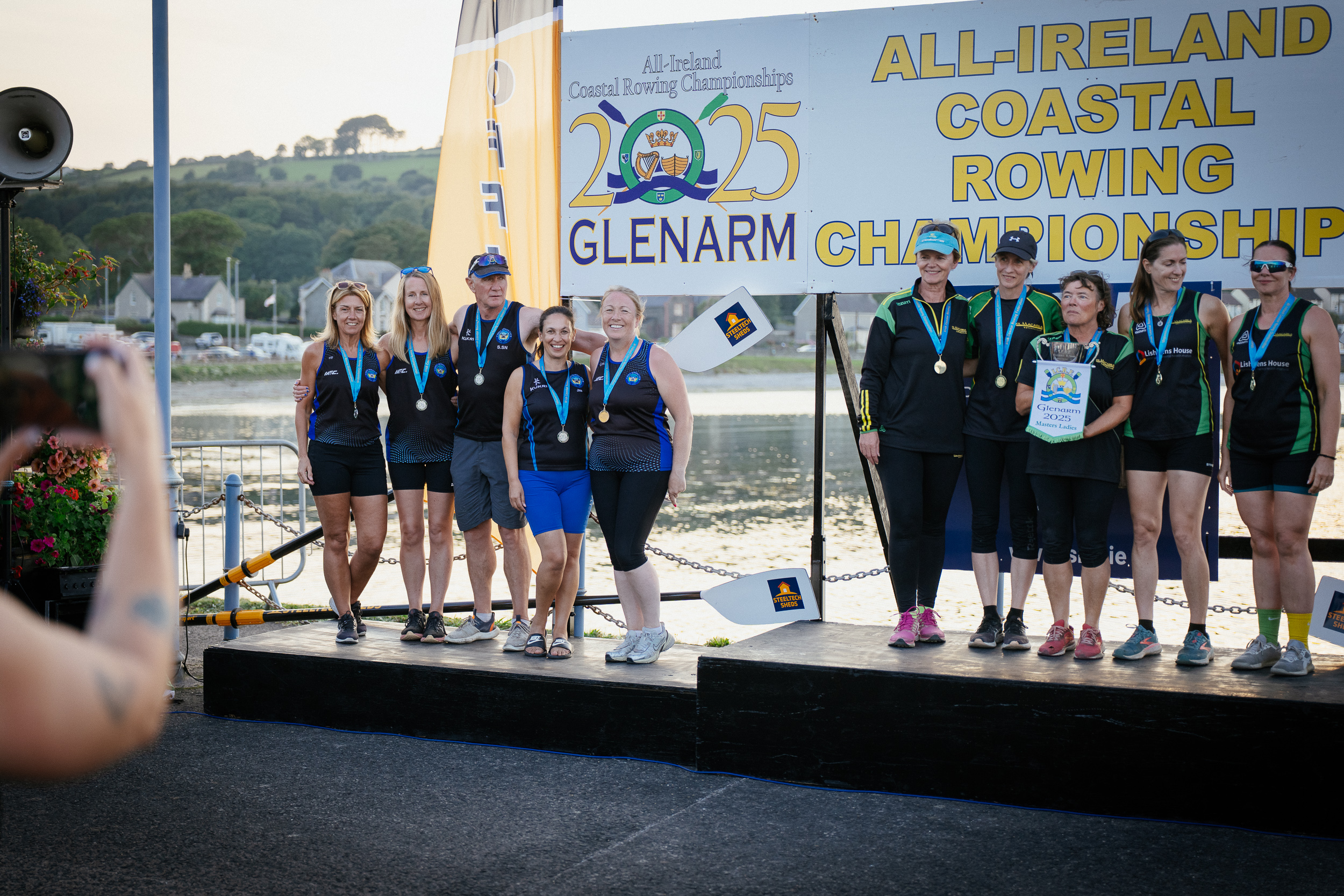
At the All-Irelands in Glenarm in August we stood on the podium with our crew and collected a bronze medal. Myself, my former rugby coach and geography teacher Sarge, Gayle and Heather who I went to school with, and Martin, a rower from Inver Colpa in Drogheda who none of us had met before that weekend. He fitted in immediately. That’s either a testament to the sport or to Martin, and it’s probably both.
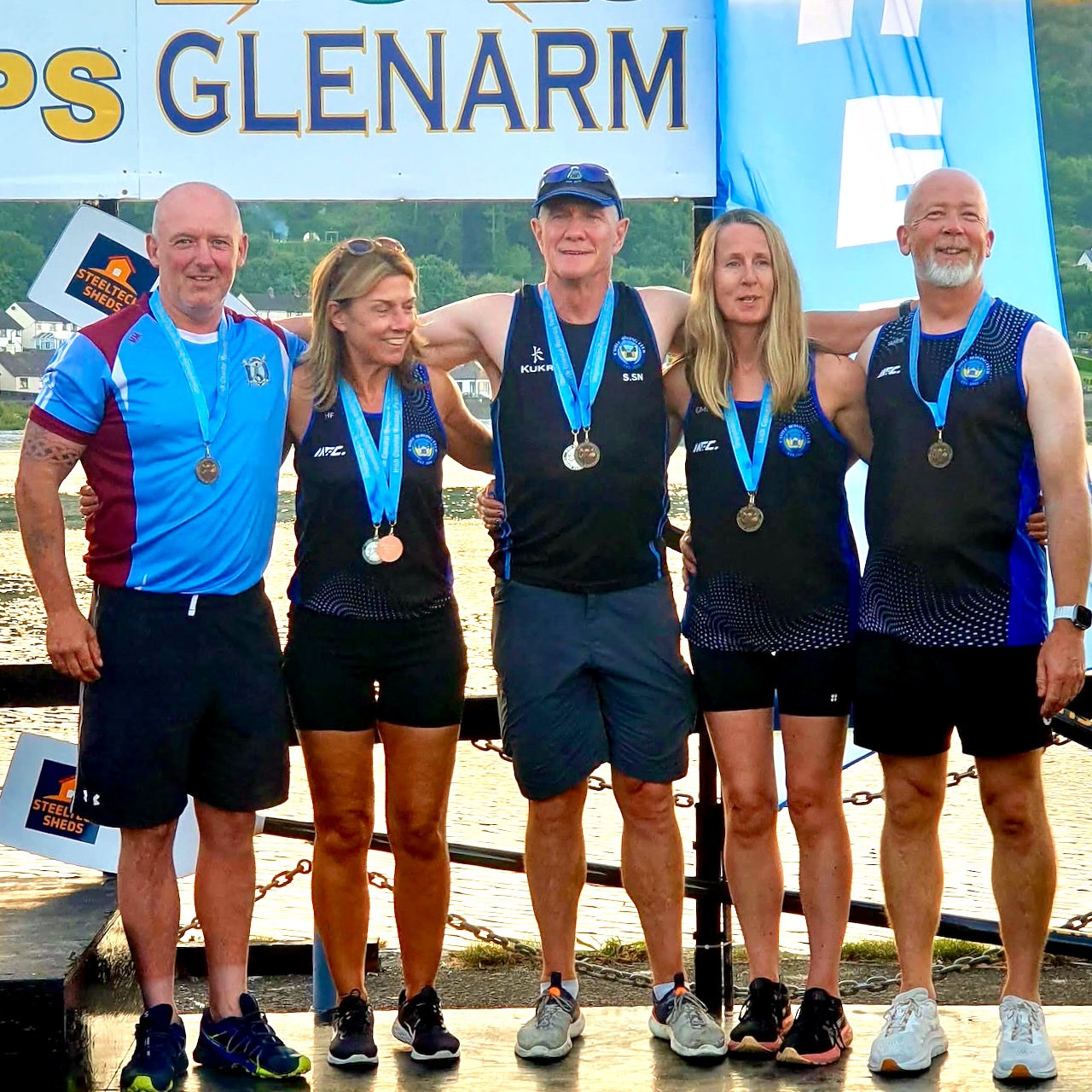
I have spent a long time on the Antrim coast. Travelling it with my parents as a small child, teenage years with school friends and years of commercial photo and video work as an adult – up and down the same road, and I have never felt as connected to it as I did in that moment, with people I’m glad I found again.
Being trusted with a camera inside a club you’re also a member of opens doors that no commission ever would. But some days I just had to put it down and get in the boat. That felt like the right trade. I undertook this project because I saw what everyone brings to keep this club alive and I wanted them to see it too, from someone close enough to know the difference between a good stroke and a bad one, but far enough outside to still find it remarkable.
I turn up to the slipway because I’m 54 and have no choice but to keep fit. On top of that I’m a competitive bastard. I turn up to see friends.
The club does not have a clubhouse or a permanent home, but it gives you a physical boundary to push your body against, a crew of people who expect you to show up and an hour on the water where the sea demands so much of your focus that the shore completely fades out.
Nobody asks for a CV. Nobody cares what you do for a living. You carry a heavy boat down a concrete ramp, pull an oar until your arms stop working and haul it back up the hill. The sea remains entirely indifferent to how hard you worked in January, but as long as the trailers keep coming down the mountain, the slipway will be full of people waiting to lift.